
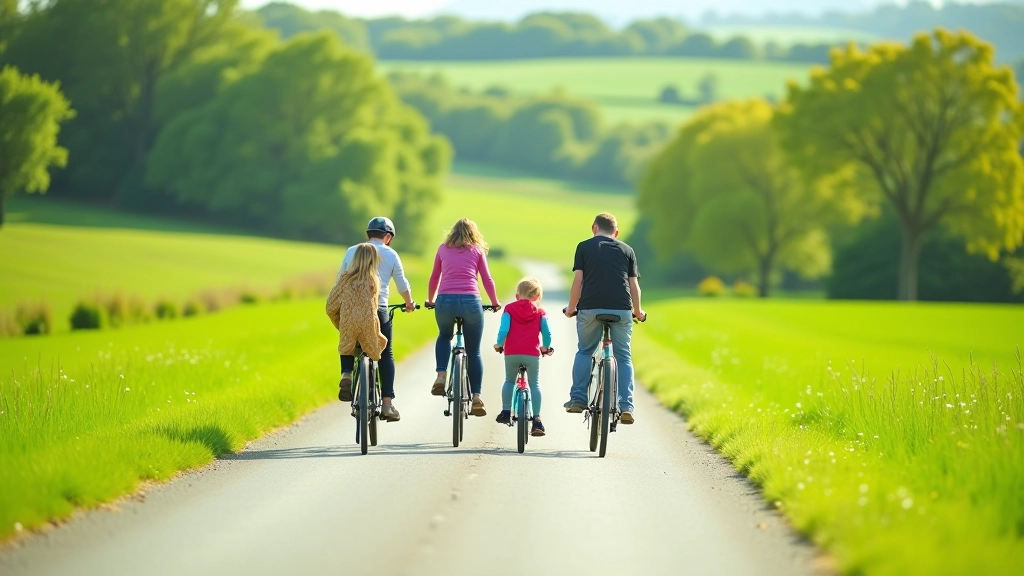
Waterford Greenway: A Complete Guide for Families
Covers the 46-kilometer flat route from Waterford to Dungarvan, best stops for lunch, accommodation options, and what to expect at each section of the trail.
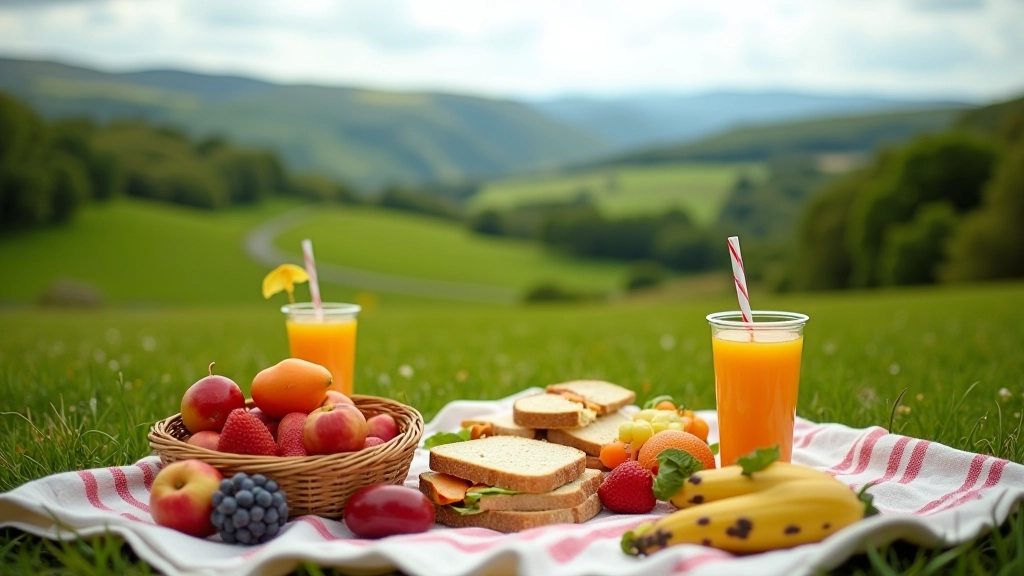
How to find scenic viewpoints, pack food that travels well, bring the right supplies for kids, and take breaks that keep everyone happy and energized.

There's something about stopping halfway through a ride and eating with a view that changes everything. Your legs get a real rest, energy returns, and suddenly the second half feels possible instead of painful. Kids especially perk up when food and scenery combine — they'll ride harder knowing there's a proper break coming.
But here's the thing: not every spot works for a picnic. You need shade sometimes, a flat place to sit, maybe a water tap nearby. We've found dozens of genuinely good stops along Ireland's greenways — places where you're not just pulling over on the shoulder. This guide covers how to find them, what to bring, and how to make the whole experience something everyone actually wants to repeat.
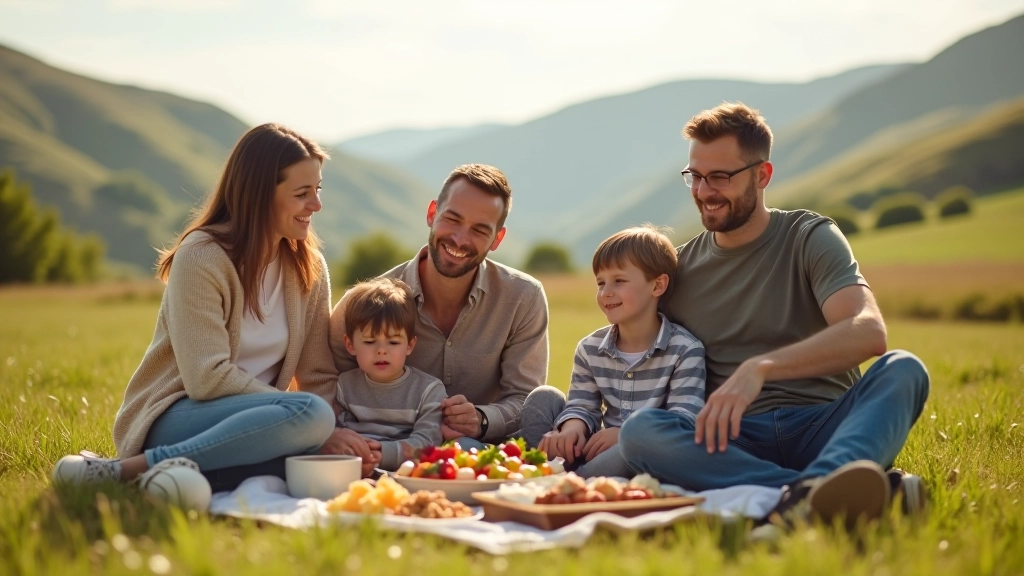
You don't want to be cycling for 8 kilometers and then realize there's nowhere decent to sit. Plan ahead. Most of Ireland's main greenways — the Waterford Greenway, Great Western Greenway, Beara Way — have established stopping points marked on their official maps. But those aren't always the best.
What makes a good stop? Shade from trees (critical if you're going on a sunny day), relatively flat ground where you can actually spread a blanket, and ideally some kind of view so it doesn't feel like you're eating lunch in a tunnel of hedges. Water access is nice but not essential — you can bring what you need. We usually look for spots near small bridges or where the path opens into wider areas. Those places naturally accumulate benches or flat sections.
Google Maps satellite view is your friend here. Zoom in on the route, look for green areas (trees = shade), check for what looks like cleared sections. Local cycling clubs often share their favorite stops online too. Don't rely on just one option — identify 2-3 possible spots so you've got backup if one's occupied or muddy.
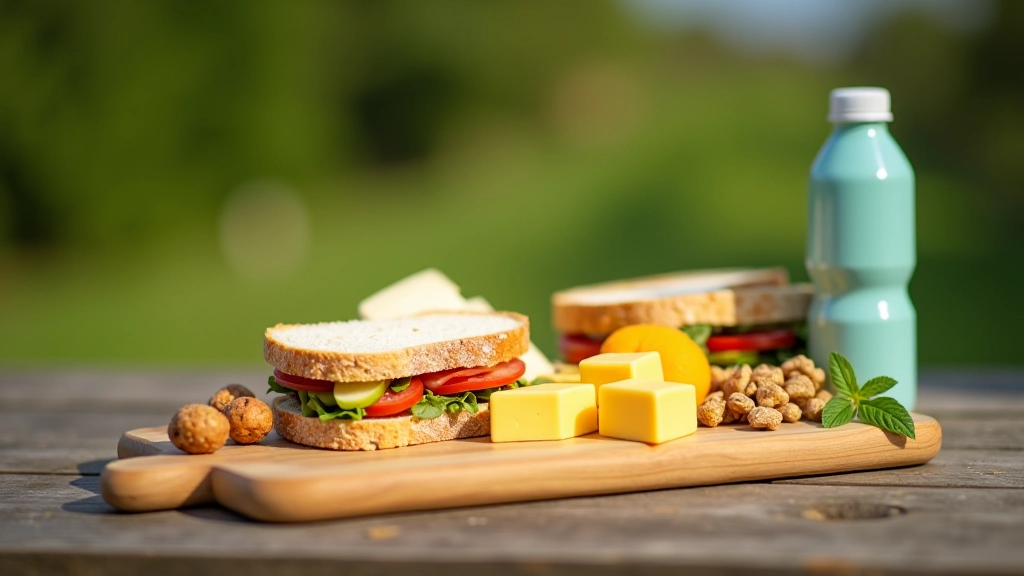
Forget fancy sandwiches with mayo that'll go soggy. You want foods that survive in a backpack, don't require cutting, and actually refuel you properly. Peanut butter and jam sandwiches on decent bread hold up for hours. Hard cheeses don't spoil without refrigeration. Good crackers stay crisp. Nuts, dried fruit, and those little packets of honey are brilliant — lightweight, calorie-dense, and they won't make your pack damp.
For kids, bring things they'll actually eat. Grapes are great (no packaging to manage), apple slices with a bit of lemon juice so they don't brown, chunks of cucumber. Skip anything with strong vinegar — the smell lingers in your cycling bag. Chocolate works if it's not the hottest day, but stick with dark chocolate that doesn't melt as easily as milk chocolate.
Water is non-negotiable. Bring more than you think you need — cycling dehydrates you faster than you realize, especially on routes without many shops. We usually bring one liter per person minimum. Sports drinks with electrolytes aren't necessary for casual rides, but they're nice if you're out for more than 2-3 hours. Pack everything in a waterproof bag or use plastic containers so if you hit a puddle, lunch survives.
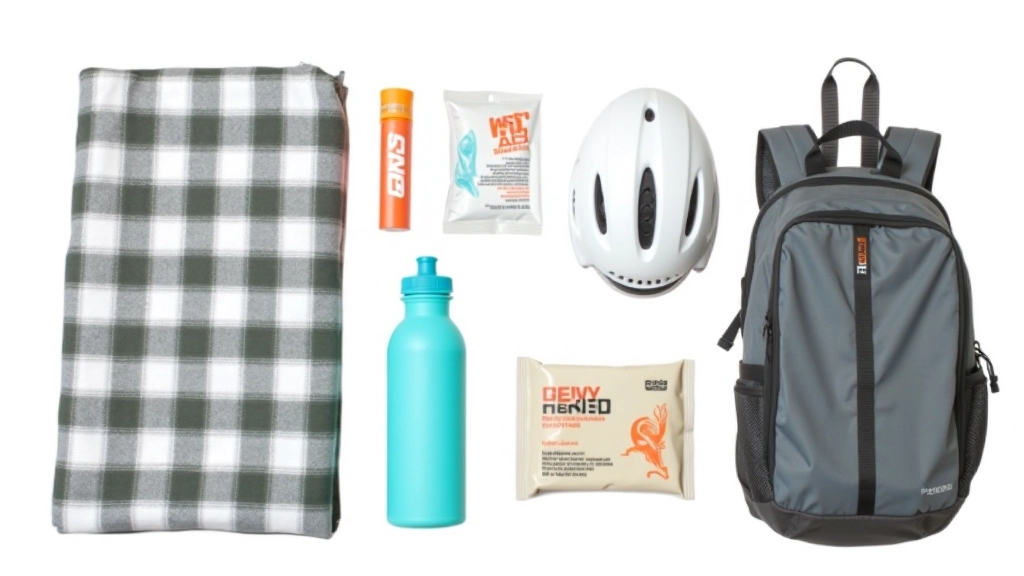
A lightweight picnic blanket (not a full beach towel — just something to sit on) makes everything better. Wet wipes are essential for getting hands clean before eating. A small plastic bag for rubbish is non-negotiable — take everything with you. Sunscreen if you're going in summer, especially if your stop doesn't have much shade. A small first aid kit with plasters and antiseptic wipes in case someone gets a blister or minor scrape.
Bring a small cloth to wipe down the bikes if they're muddy — you don't want dirt all over your food. If you're cycling with kids, pack something for entertainment during the break: a small book, a deck of cards, or just let them explore the area while you sit. Insect repellent matters if you're going near water. A lightweight backpack spreads the weight better than a single bag, and make sure whatever you use has padded straps — your shoulders will thank you after a couple of hours of riding.
Kids need a break around the halfway point — not because they're tired necessarily, but because their focus shifts. They've been pedaling, concentrating on the path, managing their bike. A proper lunch break where they can sit, eat, move around differently, and just be still for 20-30 minutes resets them completely. The second half of the ride becomes easier because they're not burning energy trying to stay interested.
Set realistic expectations before you leave. Tell them exactly how far you're going and where you'll stop. "We're riding to the bridge with the view, that's about an hour, then we'll eat lunch and play for a bit" is better than "we're going for a nice ride." Kids handle the ride better when they know what's coming. If someone's struggling, the picnic stop becomes a reward rather than just a break. Don't push through their limit just to stick to your plan — flexibility keeps everyone happy.
Bring something that lets them feel like they're part of planning. Let them choose where to sit at the picnic spot, what food to eat first, how long to rest. Small ownership over the experience makes them more invested in the whole ride.
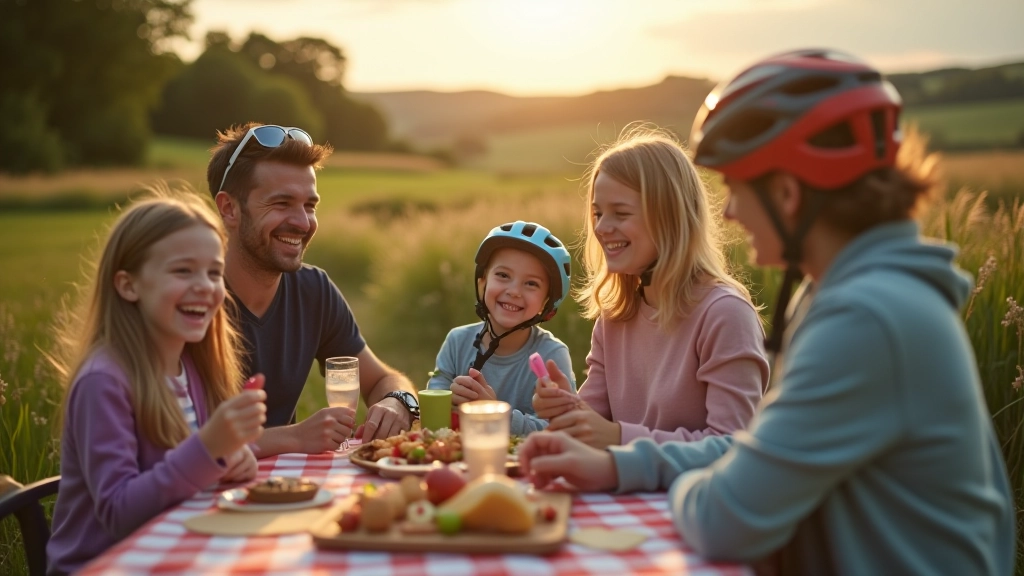
A well-planned picnic stop isn't just a break — it's the thing that transforms a bike ride from endurance into enjoyment. When everyone knows there's a proper lunch coming, when the food is good, and when you've found a genuinely nice spot to sit, the whole experience changes. That's when kids ask to go cycling again next weekend instead of needing convincing. That's when adults remember why they loved riding bikes in the first place.
Start small. Pick a greenway route you know, scout one good picnic spot, pack simple food, and see what happens. You'll learn quickly what works for your family and what doesn't. The routes aren't going anywhere — you can improve the experience each time you ride.
This article provides educational information about planning picnic stops while cycling. Recommendations are based on common cycling practices and family-friendly route experiences in Ireland. Individual circumstances, fitness levels, and weather conditions vary. Always check local route conditions, weather forecasts, and facility availability before planning your trip. Carry appropriate safety equipment, follow local traffic laws, and supervise children at all times. If you're new to cycling or have health concerns, consult with appropriate professionals before undertaking cycling activities. The routes, facilities, and amenities mentioned are subject to change — verify current conditions with local authorities or route operators.