
Bicycle Safety and Hand Signals for Shared Paths
Learn the essential hand signals everyone should know, trail etiquette on shared greenways, and how to teach kids safe cycling habits from the start.

Why Hand Signals Matter on Shared Paths
Riding on Ireland's beautiful greenways is wonderful. But it's not always just you out there. You'll encounter walkers, runners, families with strollers, and other cyclists. That's where clear communication becomes essential.
Hand signals aren't just about being polite — they're about preventing confusion and accidents. When you're approaching someone from behind or signaling a turn, a simple hand gesture can make the difference between a smooth pass and a startled pedestrian jumping in your path.
We've spent years on greenways from Waterford to Galway, and the busiest sections teach you quickly. Riders who communicate clearly get through safely. Everyone's more relaxed. Kids learn good habits from day one.
01
The Essential Hand Signals
Left Turn
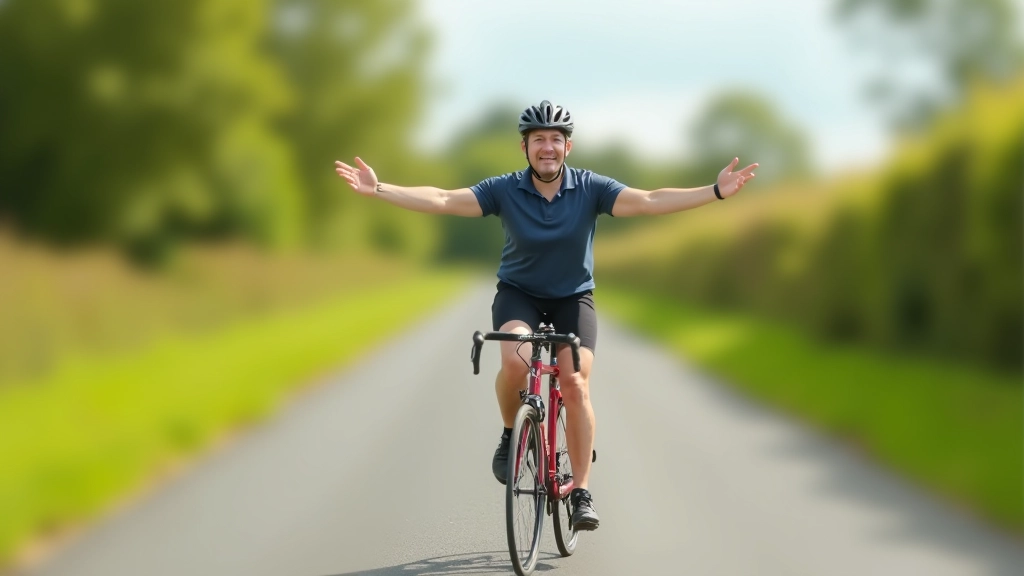
Extend your left arm straight out to the side, level with your shoulder. Hold it steady for 2-3 seconds before turning. This gives people behind and beside you time to register what you're doing.
Right Turn
Bend your left arm at the elbow, raising your forearm up to about 90 degrees. Alternatively, extend your right arm straight out to the side. Either works — just be consistent so others know what you mean.
Stopping
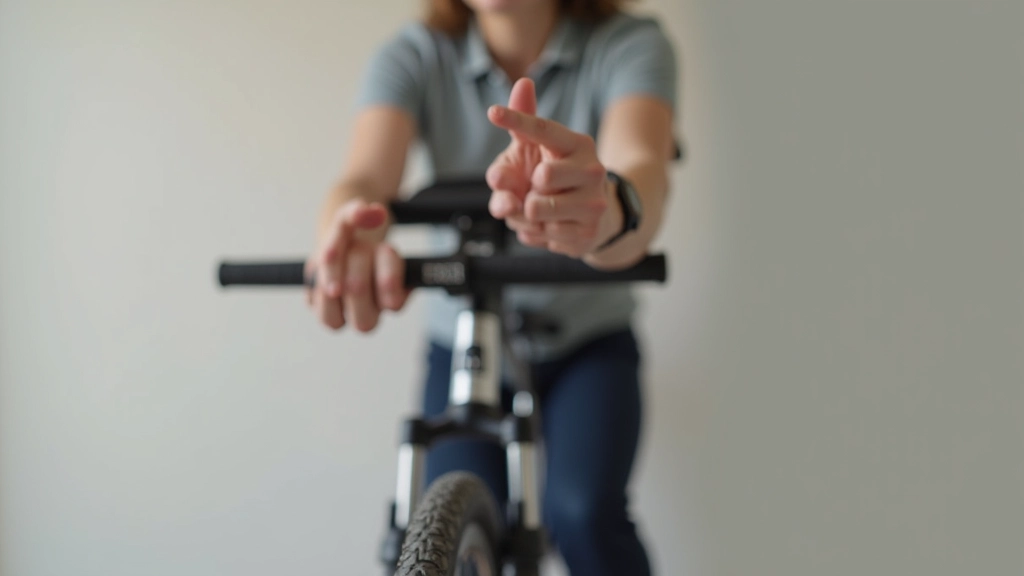
Raise your left arm with your palm facing backward. It's the same signal drivers use. On greenways, this tells people behind you that you're slowing down or stopping — crucial when there's foot traffic ahead.
Warning/Hazard
Point down to the ground with one arm toward the hazard — a pothole, debris, or gravel. Other cyclists will understand immediately. Doing this for riders behind you builds community on the path.
02
Using Your Voice on the Path
Hand signals are brilliant, but they don't always work. If you're coming up behind a walker with earbuds in, they won't see your hand go up. That's where your voice comes in.
On the Waterford Greenway especially — where it gets busy on weekends — you'll hear riders calling out. "Passing on your left!" is the classic. It's friendly, not aggressive. Most people immediately move slightly right or slow down. Simple courtesy goes a long way.
When to call out:
- Approaching someone from behind, especially with music on
- Coming around a blind corner or over a rise
- Passing multiple people in a group
- When someone hasn't noticed your hand signal yet
The tone matters. Cheerful beats urgent. Most people appreciate the heads-up and actually enjoy the interaction. Kids especially respond well to a friendly "coming through!" — it makes them feel part of the cycling community rather than in the way.
03
Teaching Kids Safe Communication
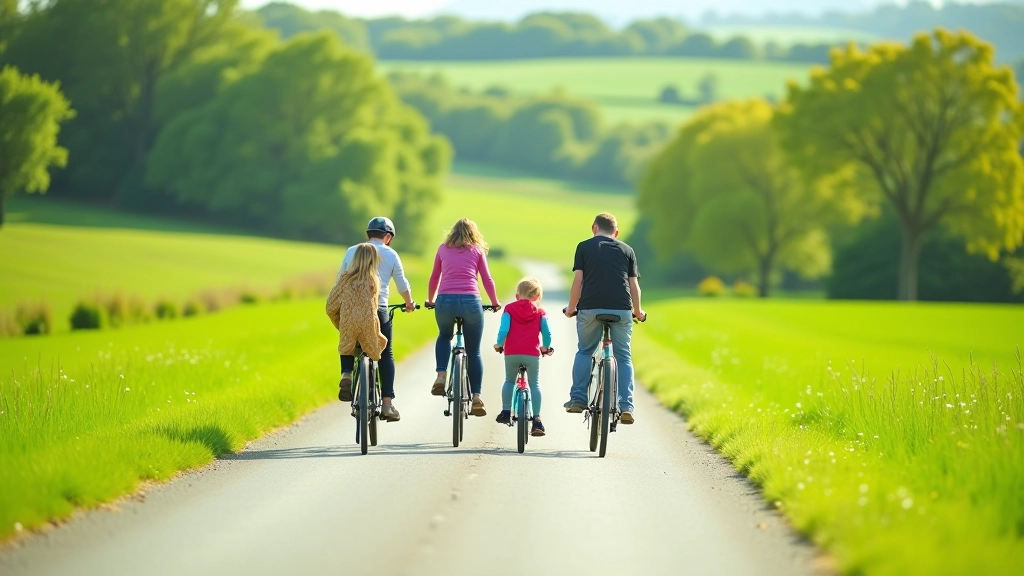
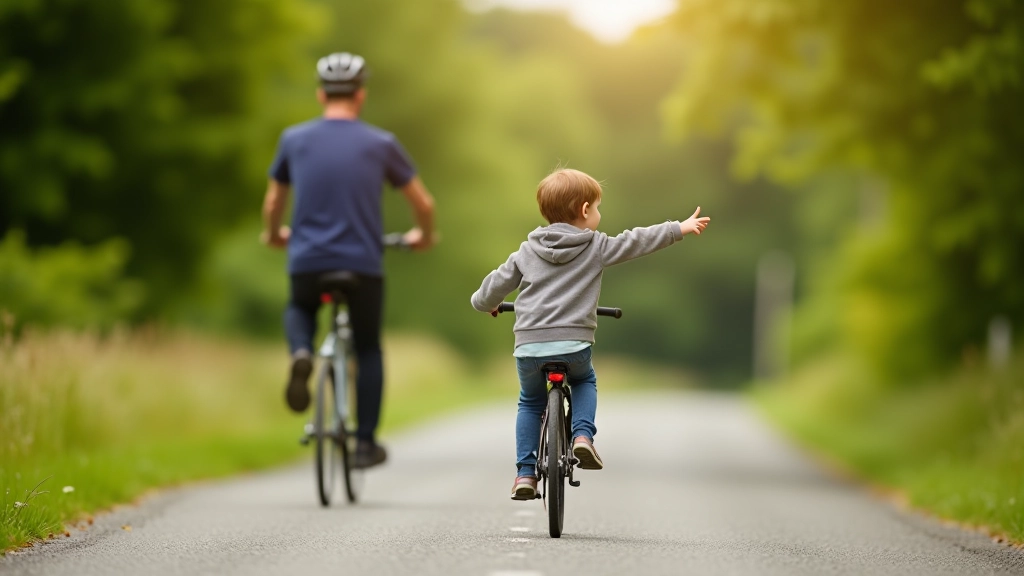
Kids learn by example. If you're signaling your turns and calling out your passes, they'll start doing it without being asked. We've seen 8-year-olds on family rides naturally extending their arms before turning — because that's what they see the adults doing.
Start simple. Don't overwhelm them with all four signals at once. Pick left turn and right turn first. Practice in a safe space — a car park or quiet park path — where they can focus on the movement without worrying about traffic or pedestrians.
Make it fun. Turn it into a game: "Can you signal three turns without wobbling?" Kids respond to challenges. After a few outings, the signals become automatic. By the time you're on busier greenways, it's second nature.
The stopping signal is especially important. Show them that raising your hand like a stop sign tells others you're slowing down. Many kids worry about falling if they use their hands. Reassure them that once they're confident with balance, hand signals don't affect stability — you're steering with your body weight, not just your hands.
Explore More on Cycling Safety
04
Greenway Etiquette Beyond Signals
Hand signals and verbal cues are just part of the picture. There's an unspoken code on shared paths that makes everyone's experience better. It's about respecting space, anticipating movements, and being predictable.
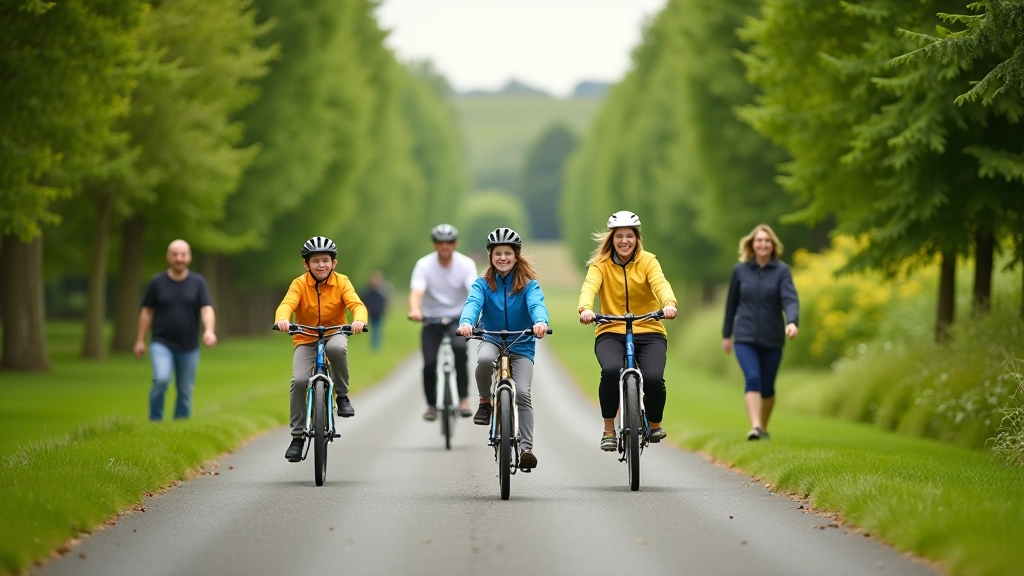
Stay on your side of the path. If it's marked with a line, cyclists use one side and walkers use the other. If it's not marked, keep right unless you're passing. Give yourself plenty of space when passing — at least a meter. Don't cut corners where people might be hidden from view. Slow down near popular stops like picnic areas or viewpoints.
Ring your bell or call out well in advance. Don't surprise people. We've seen riders come around corners at speed expecting everyone to move. That's not how shared paths work. You're the faster user, so you're responsible for managing the interaction.
Thank people when they move for you. A friendly wave or "thanks!" costs nothing and makes the next cyclist's pass easier too. On busy days at popular greenways, this courtesy keeps things flowing and pleasant. Everyone's more relaxed when they feel appreciated.
Start Small, Build Confidence
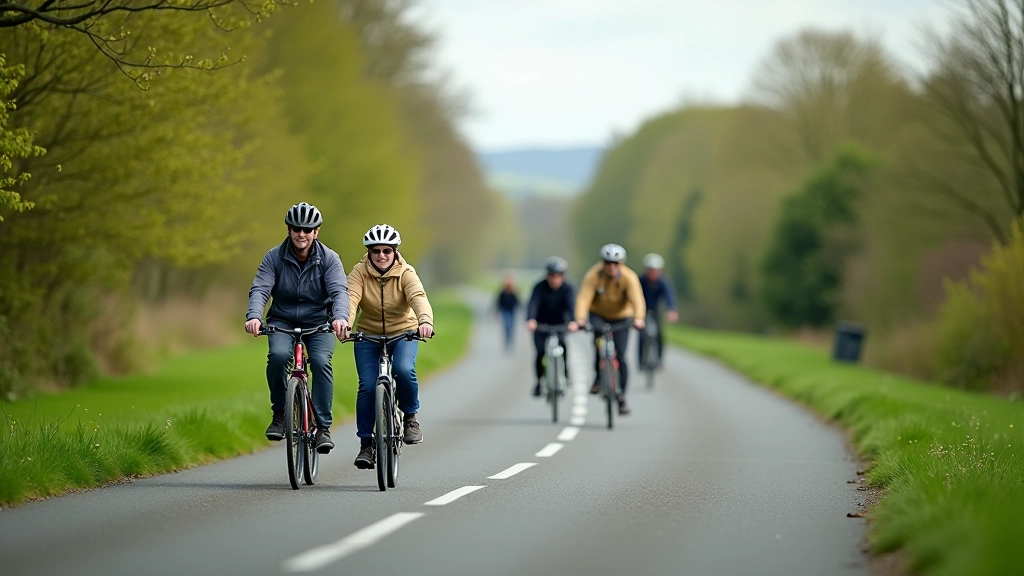
You don't need to master all of this before your first ride. Start with the basics — left turn, right turn, and stopping. Use your voice when you're unsure if a hand signal was seen. Practice on quieter sections of greenways first, then work up to busier routes.
The good news? Most people on Irish greenways are friendly and patient. You'll quickly notice that riders who signal and communicate get smoother interactions. Pedestrians appreciate the courtesy. Families feel safer. Everyone's more confident.
After a few rides, these signals become automatic. You won't even think about it — your arm just goes up before you turn. That's when you know you've got it. And your kids, watching you do it every time, will learn without any formal teaching. They'll carry those safe habits forward to every bike ride they ever take.
Safe, confident riding on Ireland's beautiful greenways starts with simple communication. Give it a try on your next outing.
Safety Disclaimer
The information provided in this article is for educational purposes. While hand signals and communication are important safety practices, actual cycling safety depends on many factors including individual skill, local traffic laws, weather conditions, and specific path rules. Always check local regulations and guidelines for the greenway or path you're using. Consider taking formal cycling safety training for more comprehensive instruction. Parents should supervise children and assess their readiness before riding on shared paths. In case of injury or accident, seek professional medical attention.