
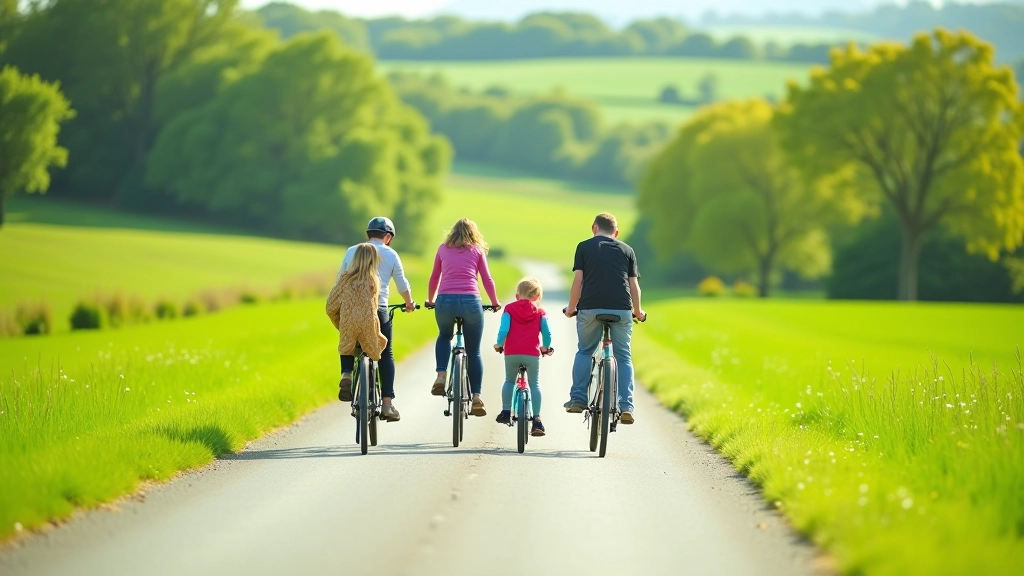
Waterford Greenway: A Complete Guide for Families
Covers the 46-kilometer flat route from Waterford to Dungarvan, best stops for lunch, and why it's perfect for riders of all abilities.
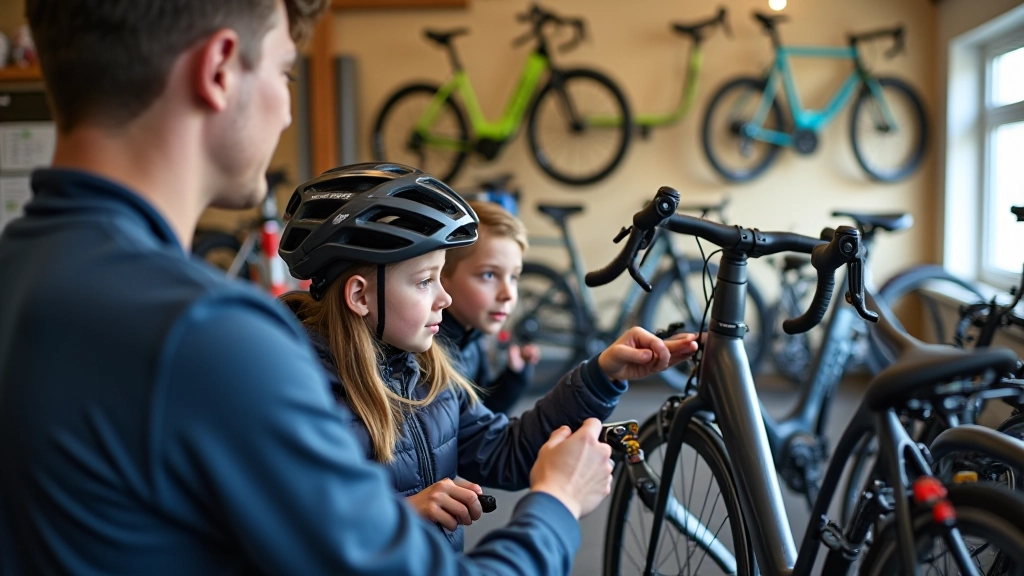
Everything about frame sizing, wheel sizes for different ages, helmet fitting standards, and how to tell if rental bikes are safe before you ride.
Finding the right frame size matters more than you'd think. It's not just about comfort — it's about control and confidence on the bike. When you're sitting on the saddle with the pedal at its lowest point, your leg should have a slight bend. That's your starting point.
For adults, frame size usually ranges from 13 inches to 23 inches (measured from the center of the crank to the top of the seat tube). Don't get overwhelmed by the numbers. Most rental shops have bikes sized for different heights. Stand over the frame with both feet flat on the ground — you should have about an inch of clearance between your body and the frame. This gives you safety margin if you need to dismount quickly.
Kids' bikes work differently. Instead of frame size, look at wheel diameter. A 12-inch wheel suits 2-4 year olds. At 5-7 years, 16-inch wheels are standard. By 8-10 years, most kids ride 20-inch wheels. And teenagers typically move to 24-inch or adult-sized frames. But here's the thing — every kid develops differently. If your 8-year-old is particularly small, don't force them onto a bigger bike just because "that's their age group."
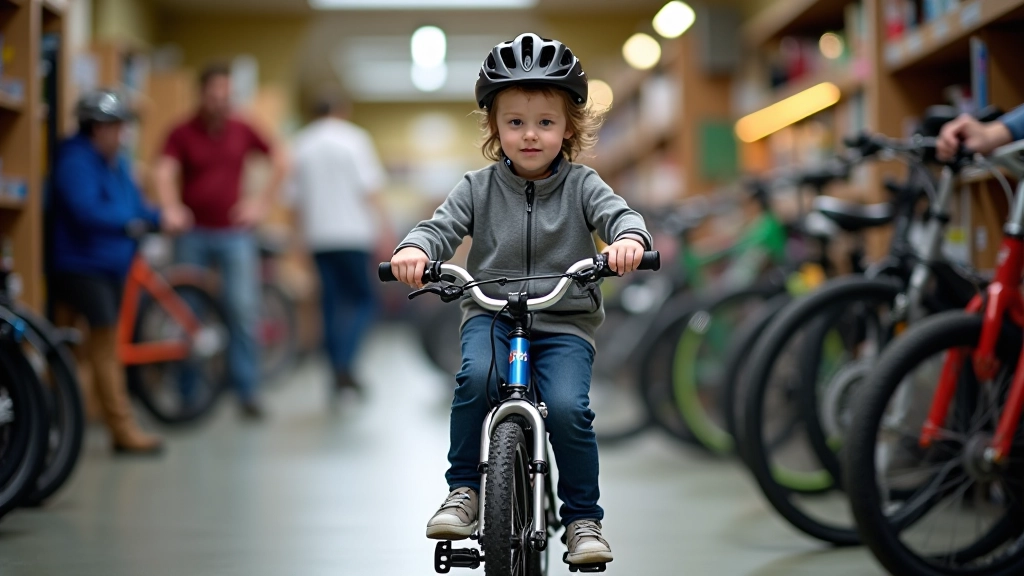
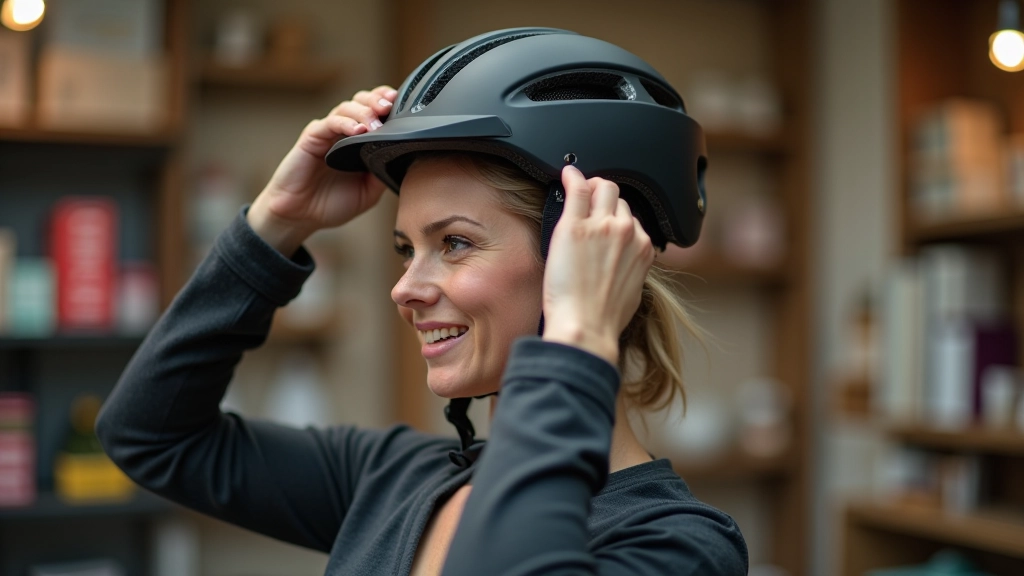
A helmet sitting on the back of your head looks ridiculous. It's also basically useless. The helmet needs to sit level on your head, covering your forehead. There should be one or two finger widths between your eyebrows and the helmet's edge. Not lower, not higher.
The straps matter just as much. They should form a "V" shape under your ears, meeting right at the jawbone. When fastened, you shouldn't be able to fit more than one finger between the strap and your chin. If it's too loose, the helmet won't stay in place if you fall. Too tight, and it's uncomfortable enough that kids won't wear it.
Look for helmets certified to CE EN 1078 (European standard) or CPSC (US standard). These certifications mean the helmet's been tested for impact absorption. Don't just grab whatever's cheapest. A decent helmet costs between €40-80 and lasts several seasons if you look after it. Plus, you're not just protecting the skull — a good helmet absorbs impact energy that would otherwise rattle the brain inside.
If you're renting bikes rather than bringing your own, don't just take whatever they hand you. Rental shops aren't always meticulous about maintenance. Spend five minutes doing a basic safety check. It's not difficult, and it could prevent problems on the trail.
Start with the brakes. Squeeze both brake levers. They should feel responsive and bring the wheels to a stop within a few meters at walking speed. If the brakes feel spongy or the bike doesn't stop properly, don't take it. Check the tires next. They should feel firm when you press your thumb against them. If they're flat or under-inflated, the bike will be sluggish and harder to control. Look at the tire tread too — worn tires with no grip are a hazard, especially if you hit wet patches.
Spin each wheel. It should turn smoothly without wobbling. If it's wonky, the rim's bent. Wobbling wheels affect steering and safety. Check that the handlebars are tight and aligned with the front wheel. Twist them — they shouldn't move. Loose handlebars are genuinely dangerous. Finally, make sure the seat is secure and at the right height. You shouldn't be able to wiggle it around, and the height should let you reach the pedals comfortably.
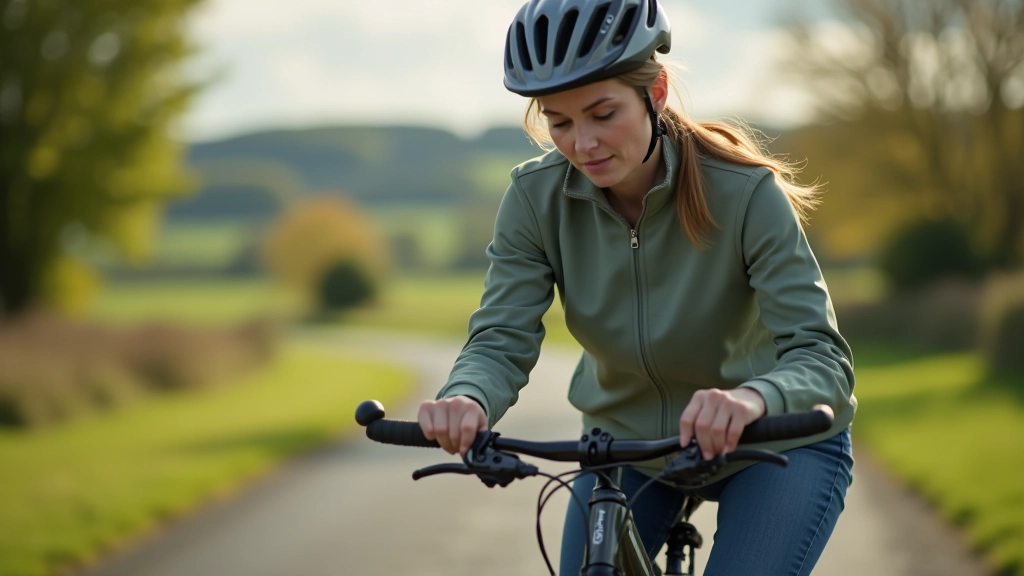

Wheel size affects how a bike handles. Smaller wheels accelerate faster and feel more responsive — great for younger kids. Larger wheels maintain momentum better and roll over rough patches more easily. That's why adults prefer them.
A 26-inch wheel (common on older adult bikes) is heavier but forgiving on poor terrain. 27.5-inch wheels are a middle ground, popular on hybrid and mountain bikes. Road bikes typically use 28-inch wheels, which are efficient and fast. For the Waterford Greenway or other flat Irish routes, you don't need to overthink this. A 26-inch or 27.5-inch wheel works perfectly well for leisurely family rides.
Kids' bikes with 20-inch wheels are standard for the 8-10 age group. The smaller circumference means they don't have to pedal as hard to cover distance. As they grow, the jump to 24-inch wheels (10-13 years) feels natural. By their mid-teens, most kids are comfortable on adult-sized frames with 26-inch or larger wheels.


Getting the bike and helmet right transforms the whole experience. You're not just protecting yourself and your family — you're removing obstacles that make cycling less enjoyable. A bike that fits properly is easier to control. A helmet that's correctly fitted feels natural, not cumbersome. And knowing the rental bike is actually safe gives you peace of mind instead of nagging worry.
Whether you're heading out on the Waterford Greenway or exploring local routes closer to home, these fundamentals don't change. Take the time to get these things right before you set off. Your ride will be more confident, more comfortable, and a lot safer. And that's what family cycling should be about — enjoying the outdoors together without stress.
This article provides educational information about bike and helmet selection for family cycling. It's intended as general guidance, not as a substitute for professional fitting or inspection services. Circumstances vary depending on individual physiology, riding style, and local conditions. Always follow manufacturer guidelines for your specific bike and helmet models. If you're unsure about fit or safety, consult with experienced staff at a local bike shop. Cycling involves inherent risks — proper equipment and technique reduce but don't eliminate those risks.